Christ-Centred

Church-Based

Child-Focused
For more than 70 years, Compassion has existed to release children from poverty in Jesus’ name. We partner with churches in over 25 developing countries so that support is driven and given by locals to locals.
Learn MoreThe Compassion
Neighbourhood
- Over 2 million children sponsored
- Over 8,000 local church partners
- Over 100,000 Australian supporters
- Over 40 countries with a united mission
“Together, we are a global neighbourhood that can bring hope and change in the lives of children—each one uniquely made and loved by God.”
Our Programs
Compassion’s programs work side by side to ensure children receive tailored, holistic support that meets their specific needs.


Mums and Babies
Compassion works with mums and babies to prevent premature death, secure good health and enable positive development both before and after birth.
Give Today

Child Sponsorship
Our Child Sponsorship Program ensures each child receives tailored, holistic care to help them break free from poverty and reach their God-given potential.
Sponsor a Child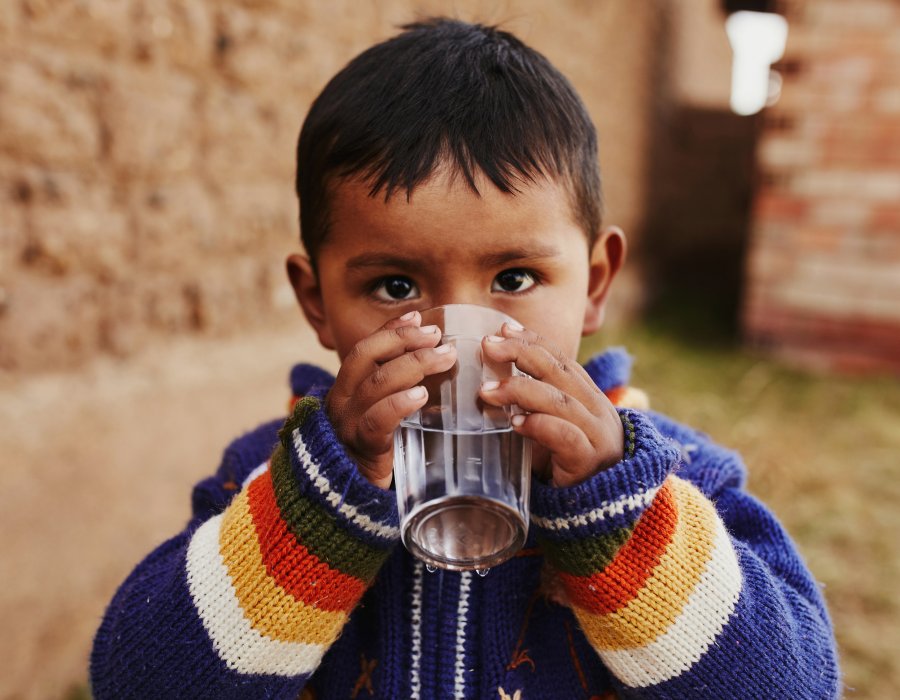

Critical Needs
At some point, every child will require care beyond sponsorship alone. Critical Needs provides clean water, medical assistance, disaster relief and more.
Give Today
Owen
Compassion Graduate, Kenya
“It was beautiful to have somebody championing for you, telling you ‘Keep going. Keep going. There is hope. There is light.’”
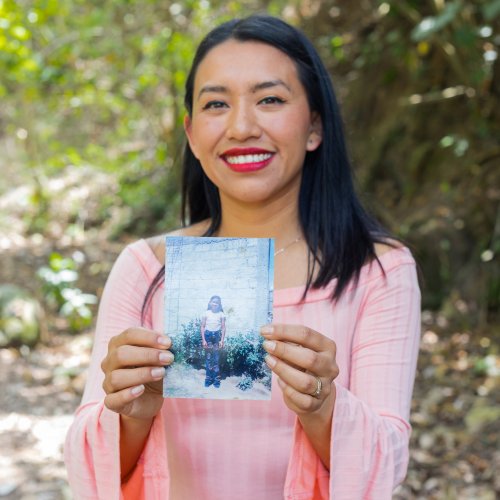
Esmeralda
Compassion Graduate, Mexico
“Do not miss the opportunity to sponsor a child. God will help and guide you to be a good sponsor, and everything that you do for them truly leaves a mark on their hearts.”
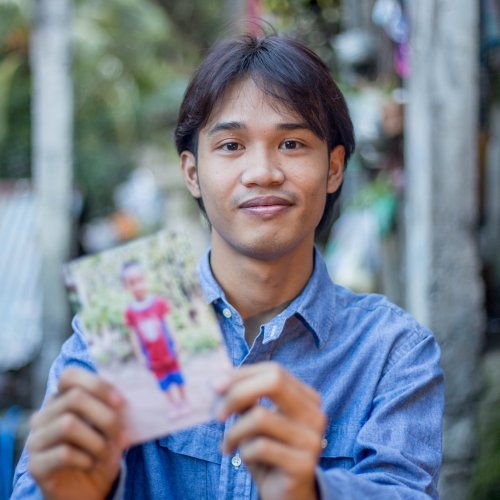
Aljon
Compassion Graduate, Philippines
“We received such a huge blessing as sponsored children and now we want to give back by having sponsored kids of our own.”
Sponsorship Can Transform Lives
How Your Donations Are Used
Wise financial stewardship is critical to effective development practices. We are committed to ensuring about 80% of every dollar directly supports children in poverty.
80%
Program development and delivery
20%
Administration and fundraising costs
Your Generosity Makes an Impact
Partner With Us
We partner with businesses, churches and individuals just like you to make our shared vision of releasing children from poverty a reality.
“I would say to anybody, don’t hesitate. Get involved with Compassion because yes, you will have a temporal impact here, but you will have an eternal impact in heaven.”
Compassion Stories
Compassion Australia is a registered charity, accredited by the CMA Standards Council and a member of the Fundraising Institute of Australia and Missions Interlink.