Child labour

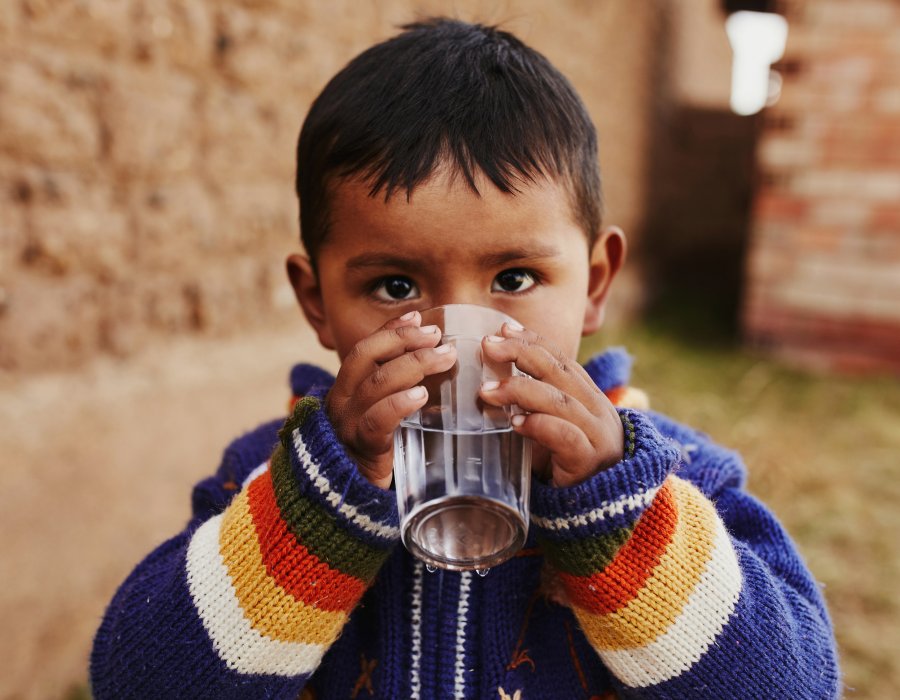
Children shouldn’t be subject to hard labour at such a tender age; they’re not created to run a household before they’ve started school, or work on a farm so their family can eat. And yet, there are an estimated 91 million child labourers under the age of 11 in our world today.

Poverty is both a cause and an effect of child labour. Working from a young age can damage a child’s mental and physical health, their security and their chance at gaining an education—which also diminishes the child’s chance of escaping poverty.

Who is affected?

Child labour encompasses children between the ages of five and 17. It’s usually defined according to a child’s age and work type, and is typically identified as work that robs a child of their childhood, and is harmful to their health and future well-being.  

Worldwide, there are 215 million child labourers; 115 million of these children are exposed to hazardous work such as working with heavy machinery or in deep underground mines. Seventy-five per cent of working children are in agriculture on farms and plantations, often working from sunrise to sunset with dangerous pesticides and chemicals.

Child labour is most prominent in sub-Saharan Africa, where one in four children between the ages of five and 17 are engaged in child labour.

Progress so far

According to the International Labour Organisation, a branch of the United Nations, the number of child labourers worldwide has declined by 11 per cent in the past four years, and the number of children in hazardous work has decreased by 26 per cent. However, progress is irregular and child labour still remains extremely common in many countries worldwide.

In 2006, the United Nations signed the Global Action Plan for child labour, aiming to eliminate the worst forms of child labour by 2016. To achieve this goal, we need renewed commitment to wide-scale action.

Despite increased awareness about the issue, child labour among boys and young people between the ages of 15 and 17 has risen, and progress in eliminating the practice in sub-Saharan has stalled.

(International Labour Office: Accelerating action against child labour, 2010)

Compassion’s response

Compassion does not directly engage with the issue of child labour. However, our Child Sponsorship Program can be a preventative measure against the issue, as each child is known to centre staff and has their wellbeing monitored. An essential part of the Child Sponsorship Program is ensuring children have the opportunity to complete primary school. We often work with families to teach the value of educating their child and find a way for their child to go to school rather than work by assisting with food supplies or vocational training for parents. However, if it’s still necessary for the child to work, we are sometimes able to help arrange special classes so that they can continue their schooling.

The Child Sponsorship Program uses a holistic child development model to help release children from every aspect of poverty, with the goal that by graduation every child will:

  • Demonstrate commitment to the lordship of Christ
  • Choose good health practices and be physically healthy
  • Exhibit the motivation and skills to be economically self-supporting
  • Interact with other people in a healthy and compassionate manner.

If child labour is an issue especially close to your heart, you CAN do something about it. Click here to get involved in the Child Advocacy Network (CAN), or sponsor a child today!

Thank you

Thank you for your feedback. One of our team will respond to you within 2 working days. Thank you for your patience and for partnering with Compassion to release children from poverty in Jesus name.

Compassion Australia on YouTube
Recent Videos
23 Aug 2012

Celebrating 100,000!

As of 21 August 2012, Australians are officially supporti... MORE

22 Dec 2011

Compassion’s Child Sponsorship Program: Step by Step

Celebrate with Mugisha Emmanuel and his family as he regi... MORE

23 Aug 2011

Margaret Makhoha: From Sponsored Child to Ugandan Senator

In 1990 Margaret Makhoha became a sponsored child when sh... MORE

11 Jul 2011

Lillian's Story

It's easy to get overwhelmed by the scale of world povert... MORE

01 Jun 2011

i believe it shouldn't end at the beginning

Every day, 22,000 children die, most from entirely preven... MORE

Compassion Australia on Twitter
RSS Feed: Compassion
21/05/2013 12:00am
Heavy rains caused flooding and landslides in the Kotagal... MORE
16/05/2013 12:00am
A fire occurred in the Mathare slum outside of Nairobi, K... MORE
16/05/2013 12:00am
Heavy rains caused flooding to occur in Villavicieno, Col... MORE
16/05/2013 12:00am
Compassion Uganda has provided more information about the... MORE
15/05/2013 12:00am
Heavy rains occurred north of Chiang Mai, Thailand, on 9 ... MORE
15/05/2013 12:00am
Heavy rains caused flooding to occur near Bajua, Banglade... MORE
10/05/2013 12:00am
Transportation and communication remain difficult in the ... MORE
10/05/2013 12:00am
Heavy rains caused rivers, canals and sewage systems to o... MORE
07/05/2013 12:00am
On 5 May 2013, a bomb exploded in a Roman Catholic Church... MORE
07/05/2013 12:00am
The violent situation of political unrest continues in Ba... MORE
07/05/2013 12:00am
Nineteen additional children from UG-234 Maliba Child Dev... MORE
06/05/2013 12:00am
Heavy rains caused the Nyamwamba and Nyamugasani rivers t... MORE
03/05/2013 12:00am
Compassion Ecuador has provided more information about th... MORE
03/05/2013 12:00am
Heavy rains caused the Apartado River to overflow near th... MORE
03/05/2013 12:00am
Violent protests occurred in the city of Gonaives, Haiti,... MORE
02/05/2013 12:00am
Heavy rains caused flooding in Ghana during the last two ... MORE
29/04/2013 12:00am
An eight-story garment factory building collapsed in Sava... MORE
23/04/2013 12:00am
Strong winds and heavy rains have damaged BF-405 Central ... MORE
23/04/2013 12:00am
Compassion Bangladesh has provided more information regar... MORE
19/04/2013 12:00am
Following heavy rains on 16 April, a further two homes of... MORE